
The UK is home to some of the world’s most famous and recognisable buildings. From historic castles and royal palaces to modern skyscrapers and public sculptures, these structures define city skylines and tell the story of British architecture. In this guide, we explore the top 10 most iconic buildings in the UK, highlighting architectural significance, cultural impact, and some fascinating facts that make each building truly memorable.
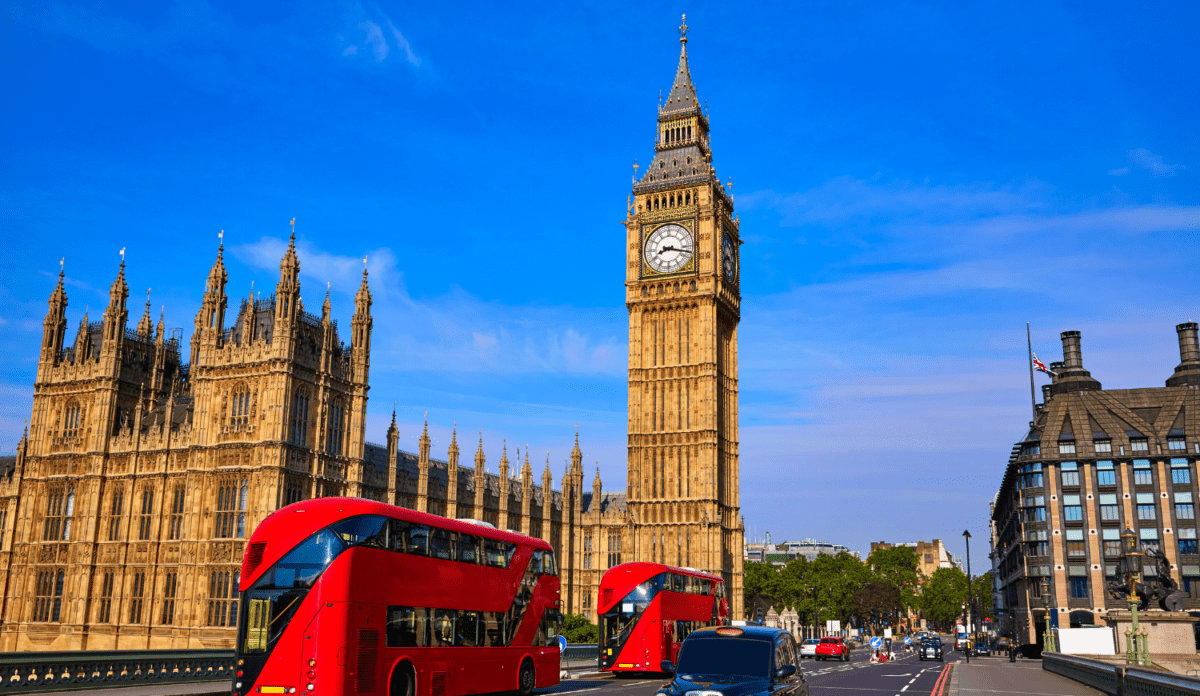
1. Big Ben – London
Arguably the most recognisable building in the UK, Big Ben is a global symbol of Britain. Officially part of the Palace of Westminster its enduring presence make it one of the most photographed landmarks in the world. No list of UK landmarks is complete without Big Ben. Officially called Elizabeth Tower, the name “Big Ben” actually refers to the bell inside.
Interesting Facts:
- Its clock mechanism is so precise that adjustments are made by adding or removing old pennies from the pendulum.
Year Completed: 1859
Style: Gothic Revival
2. The Shard – London
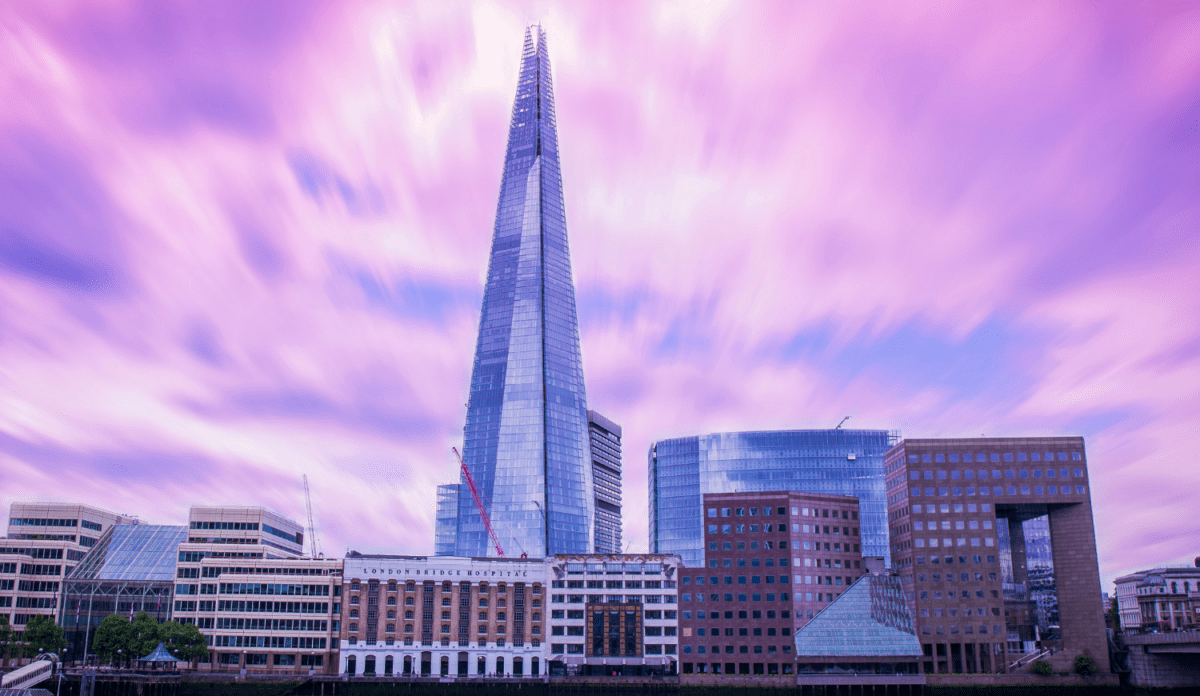
Currently the tallest building in the UK, The Shard, rises 310 metres above London, reshaping the city’s skyline with its sharp, glass façade. Designed by Renzo Piano, it has redefined modern London architecture and become a focal point of the city skyline.
Interesting Facts:
- Its 72 habitable floors and spire made it the tallest building in Europe at the time of completion.
- The façade reflects sunlight and weather patterns, creating a constantly changing visual effect.
Year Completed: 2012
Style: Modern / Contemporary
3. Buckingham Palace – London
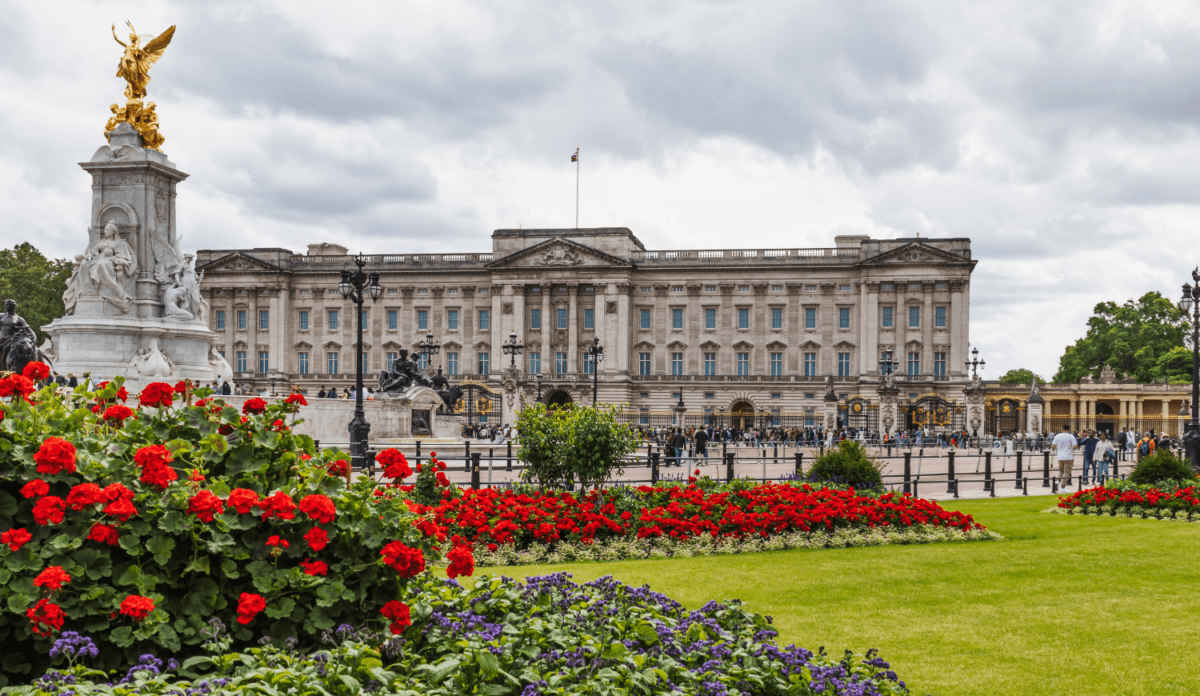
The official residence of the British monarch, Buckingham Palace represents centuries of royal history. From state occasions to balcony appearances, it remains one of the most culturally significant buildings in the country.
Interesting Facts:
- The palace has 775 rooms, including 19 state rooms and 78 bathrooms.
- During WWII, it was bombed 9 times, but the royal family remained in residence.
Year Completed: 1703 (original structure)
Style: Neoclassical
4. Tower Bridge – London
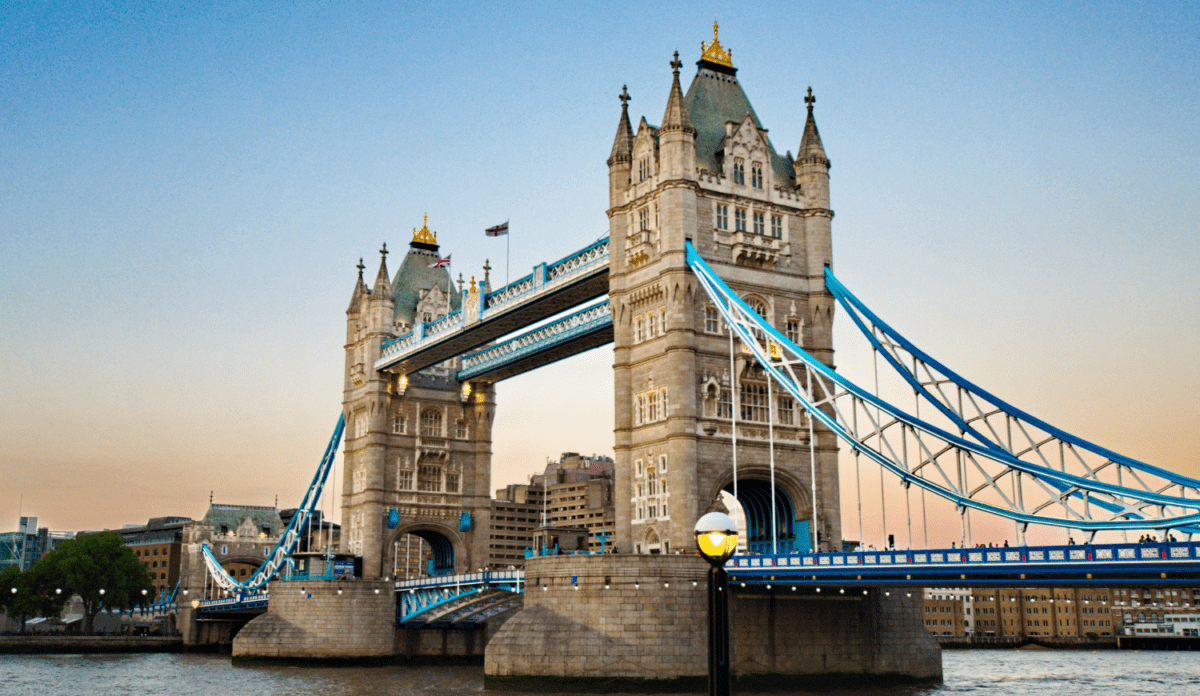
Tower Bridge combines Victorian engineering with Gothic design, creating one of the UK’s most recognisable bridges.
Interesting Facts:
- The towers house machinery that allows the roadway to lift for tall ships.
- Over 40,000 people cross it daily, making it both functional and iconic.
Year Completed: 1894
Style: Victorian Gothic
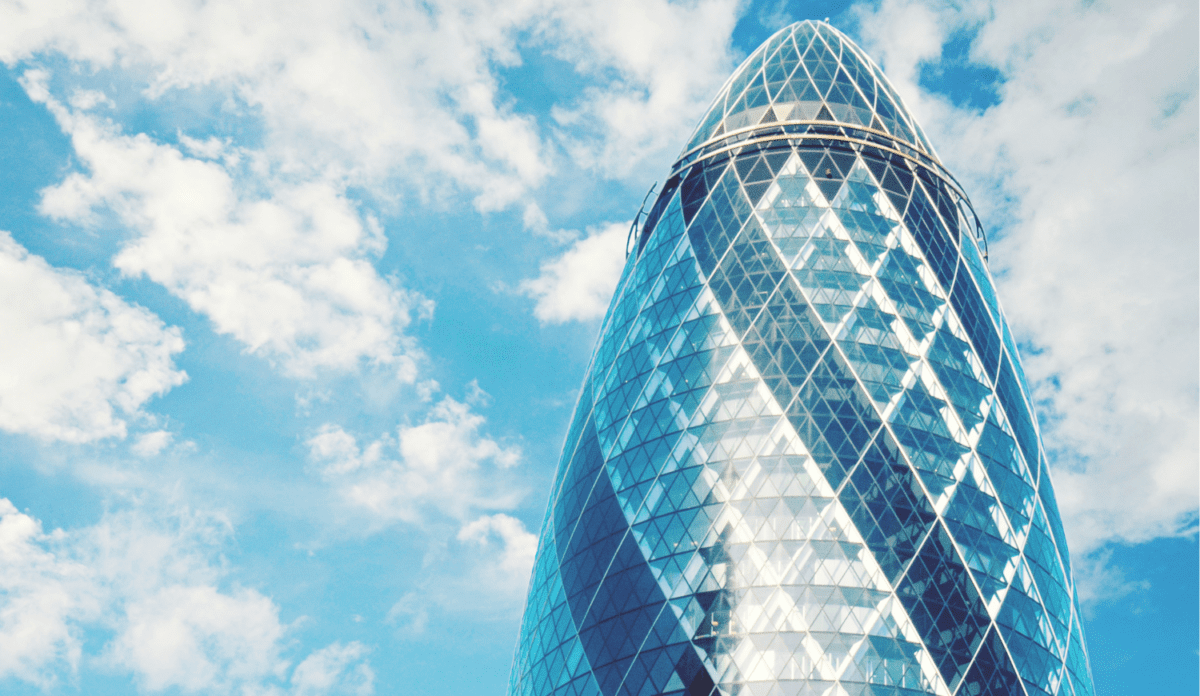
5. St Mary Axe – London
Commonly known as “The Gherkin,” this distinctive tower transformed perceptions of modern commercial architecture in the UK. Its curved form and energy-efficient design set new standards for high-rise office buildings.
Interesting Facts:
- Its curved shape reduces wind turbulence at street level.
- Natural ventilation allows sunlight to penetrate deep into floors, improving energy efficiency.
Year Completed: 2003
Height: 180m
6. Edinburgh Castle – Edinburgh
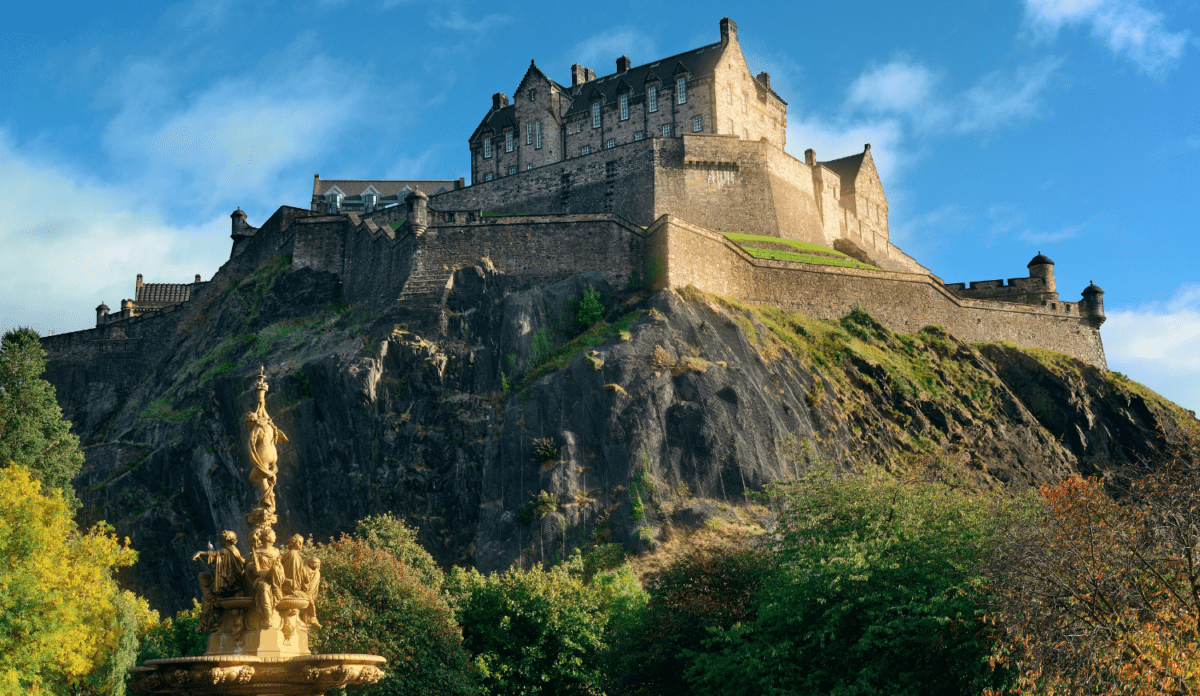
Perched on a volcanic rock, Edinburgh Castle dominates the city skyline and is steeped in history. With roots dating back to at least the 12th century, it represents Scotland’s rich and complex history.
Interesting Facts:
- It houses the Crown Jewels of Scotland and the Stone of Destiny.
- The castle sits on an extinct volcanic plug, making it both a natural and strategic fortress.
Style: Medieval Fortification
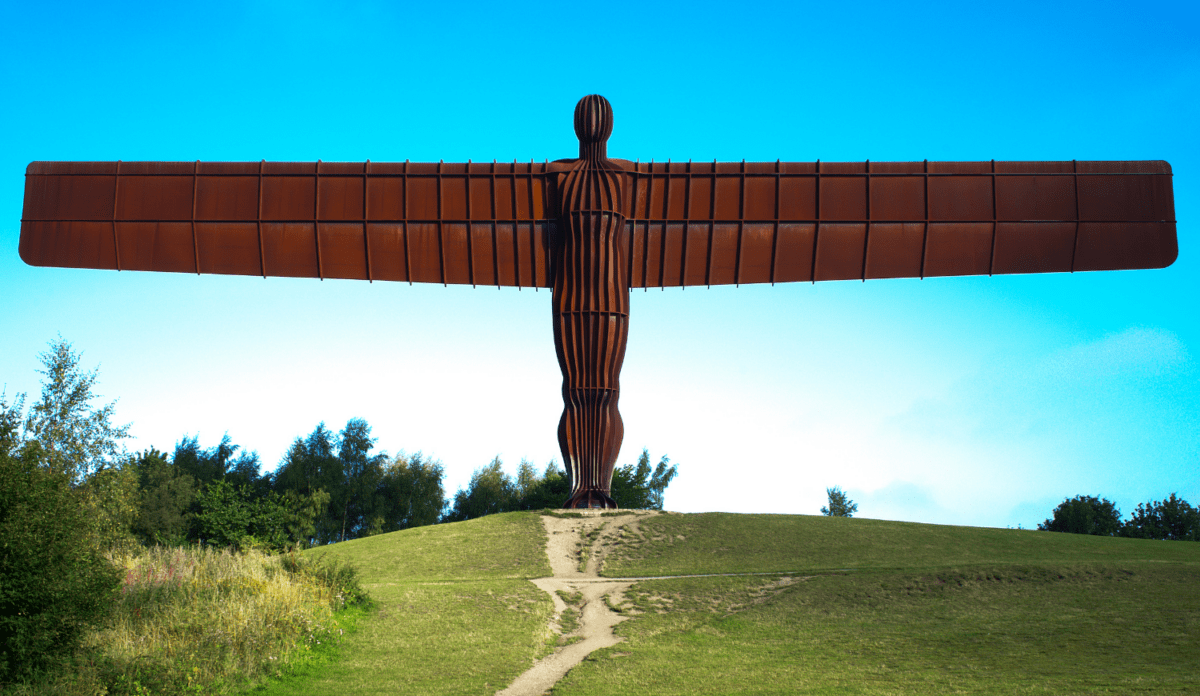
7. Angel of the North – Gateshead
Standing 20 metres tall, this contemporary sculpture has become one of the most recognised public pieces of art in the UK. It represents regeneration and modern northern identity.
Interesting Facts:
- Its 54-metre wingspan is wider than a Boeing 747 jumbo jet.
- Made from weathering steel, the sculpture naturally develops a rust-like protective layer.
Completed: 1998
8. The Royal Liver Building – Liverpool
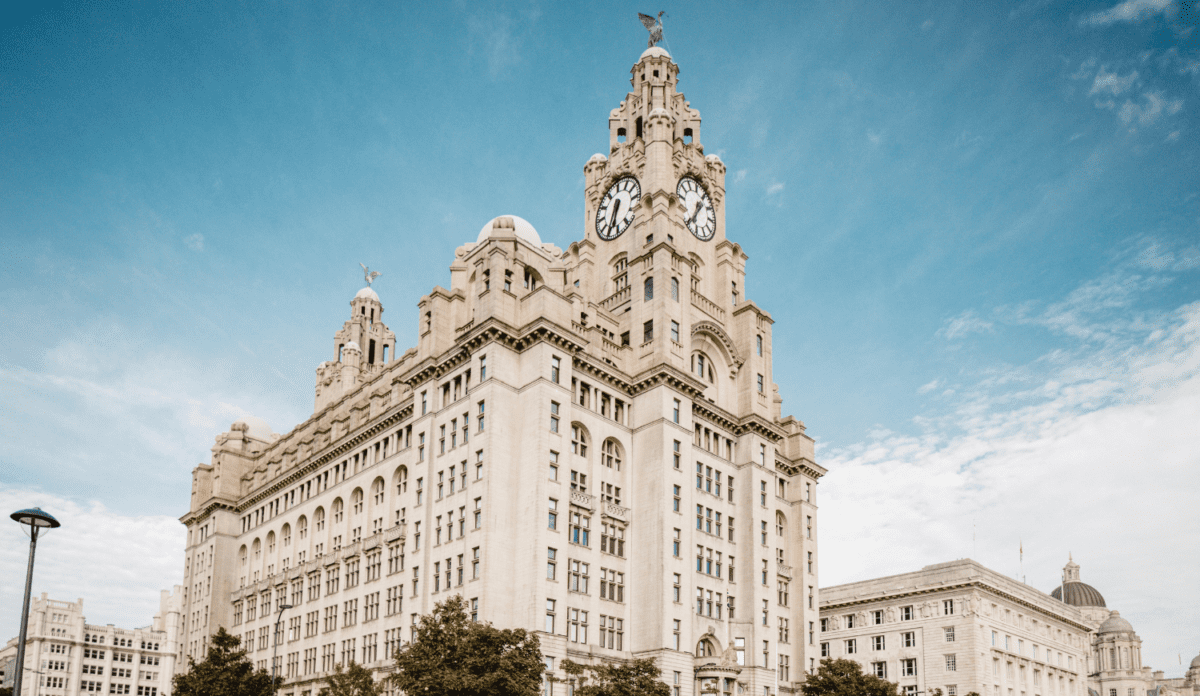
Opened in 1911, this waterfront building is one of the “Three Graces” of Liverpool. Its clock towers and Liver Birds have become enduring symbols of the city.
Interesting Facts:
- The Liver Birds atop the building are said to watch over the city and the sea.
- It was one of the first buildings to use reinforced concrete on a large scale.
Completed: 1911
Style: Baroque Revival
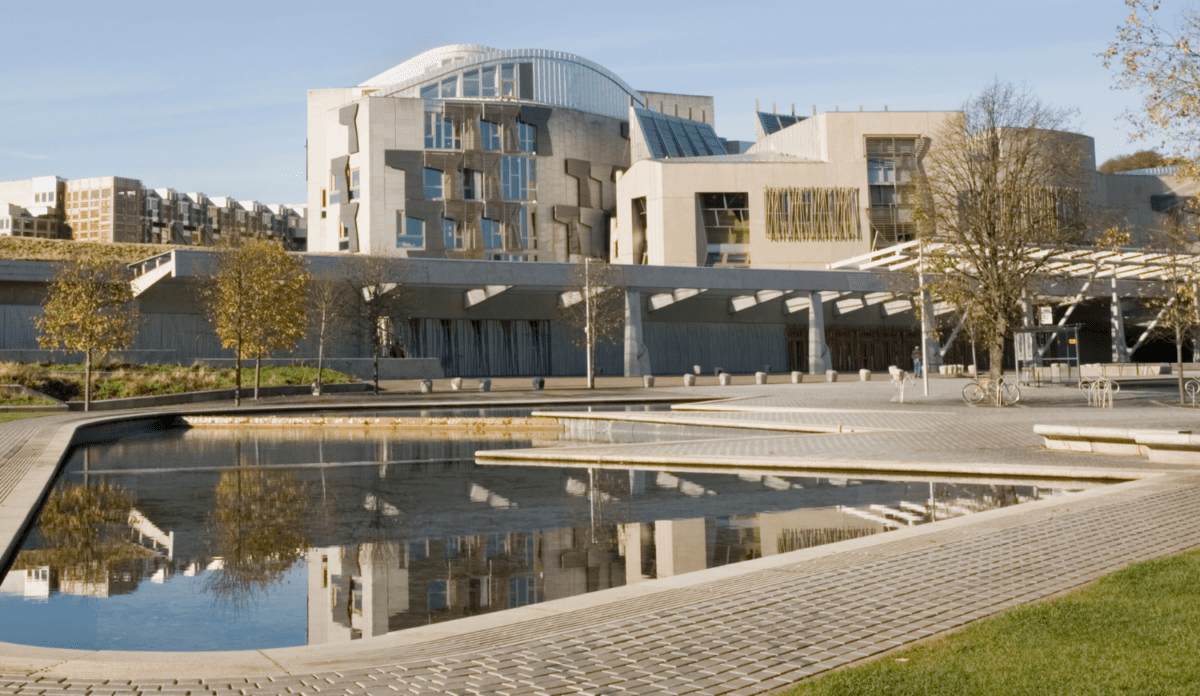
9. The Scottish Parliament Building – Edinburgh
A bold and unconventional design, the Scottish Parliament Building is a modern symbol of democracy.
Interesting Facts:
- Its shapes are inspired by the Scottish landscape, blending symbolism and architecture.
- It won the Stirling Prize in 2005 for innovative design.
Completed: 2004
Architect: Enric Miralles
10. St Paul’s Cathedral – London
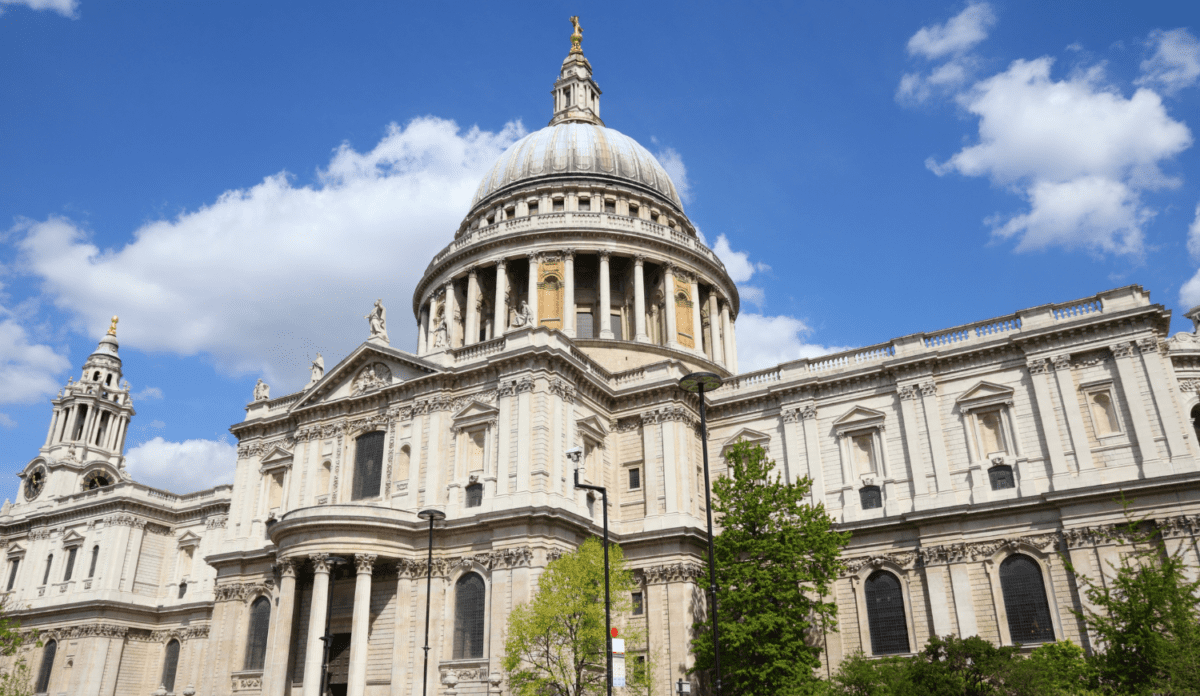
Sir Christopher Wren’s masterpiece, St Paul’s Cathedral, has shaped the London skyline for over 300 years. Its dome remains a masterpiece of English Baroque architecture.
Interesting Facts:
- Its dome is one of the largest in the world, second only to St Peter’s Basilica in Rome.
- It survived the Blitz during WWII, becoming a symbol of resilience.
Completed: 1710
Style: English Baroque
Why These Buildings Are Iconic
Iconic UK buildings share qualities that make them memorable:
- Recognisable design that defines skylines
- Cultural or historical significance
- Engineering or architectural innovation
- Enduring impact on public perception and tourism
From medieval castles to cutting-edge skyscrapers, the UK is rich in architectural diversity. We have to wonder, in 10 years time how much this list will change.
Related Reads
Planning a construction or landscaping project? Discover our extensive range of specialist construction products and support for high-quality building projects. Contact our team today.